What to Do in an Emergency in the UK (And Why It Feels Confusing at First)

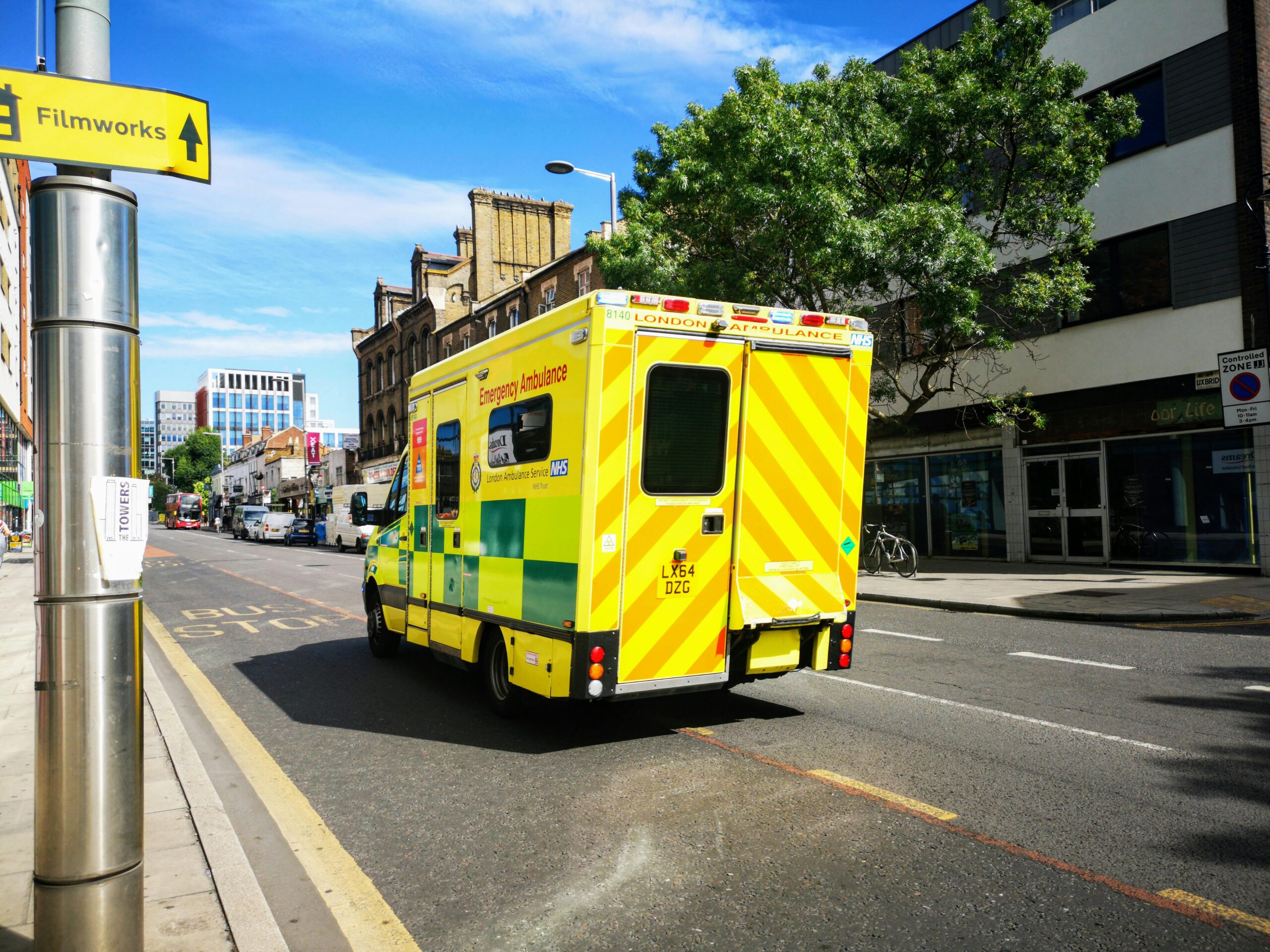


One of the most frightening things about living in a new country is not knowing what to do when something goes wrong.
Back home, you probably knew instinctively who to call, which hospital to go to, and what counted as serious. In the UK, everything feels unfamiliar at first—the systems, the words, the numbers, the process. And when you’re scared, tired, or unwell, confusion can turn into panic very quickly.
Many international students don’t realise that the UK has different services for different types of emergencies. Knowing the difference can save you stress, time, and fear.
If you are in immediate danger, the emergency number is 999. This includes:
You can call 999 for police, ambulance, or fire services. You do not need perfect English. You just need to explain what is happening.
For urgent medical advice that is not life-threatening, contact NHS 111. This includes:
NHS 111 will guide you on whether to rest, see a GP, go to hospital, or get medication. You can use NHS 111 online or by phone: https://111.nhs.uk
For police matters that are worrying but not emergencies, the number is 101. This includes:
Official guidance: https://www.police.uk
In the UK, you don’t usually walk into a hospital unless it’s an emergency. Most health concerns start with a GP (local doctor). You should register with a GP as soon as you arrive.
This system may feel slow compared to what you’re used to, but it ensures you get the right care at the right time.
If you feel overwhelmed, panicked, or emotionally unsafe, support is available:
You do not need to be in crisis. You only need to feel like you can’t cope alone.
One of the hardest parts of living abroad is not knowing what’s normal. Is this serious enough? Should I wait? Should I call?
When in doubt, ask. Confidence isn’t knowing everything—it’s knowing who to contact.
At Campus Mum, we help students understand UK systems calmly, without fear, and without judgement. Emergencies feel bigger when you’re far from home—but you don’t need to handle everything alone. You just need to know you’re not.